
Posts by John Tamburino
Why Your Sewer Line Isn’t a One-Size-Fits-All System
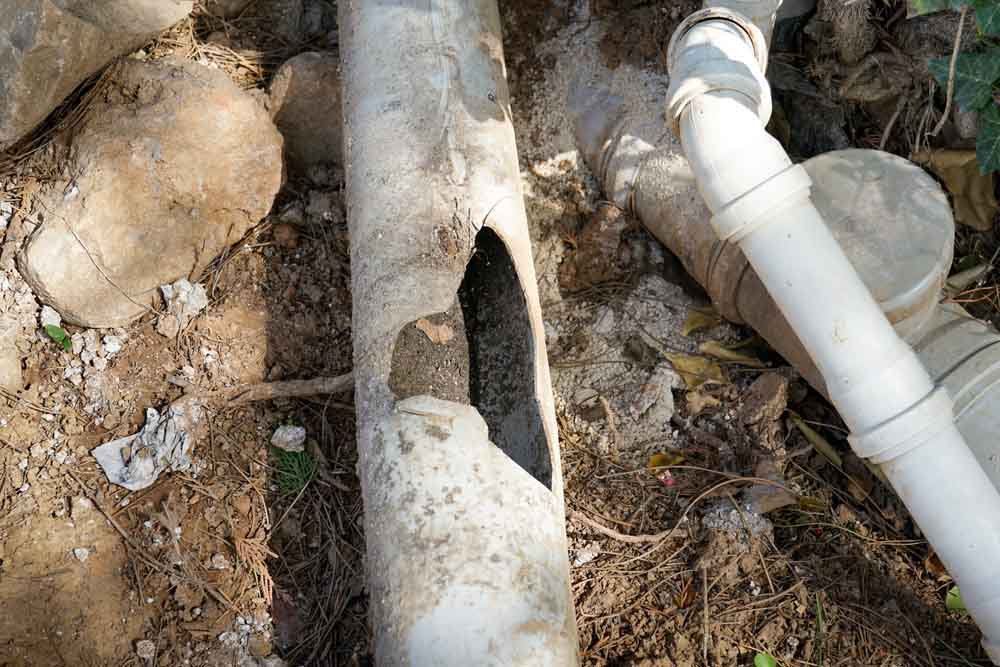
Every property tells a story through its plumbing. The number of occupants, the type of fixtures, and the daily volume of wastewater all shape how a sewer line should function. Treating sewer systems as standardized parts creates stress points that show up as backups, slow drains, and costly repairs. From the perspective of Sewer Pro,…
Read MoreEnvironmental Advantages of Trenchless Pipe Bursting Over Open-Cut Methods
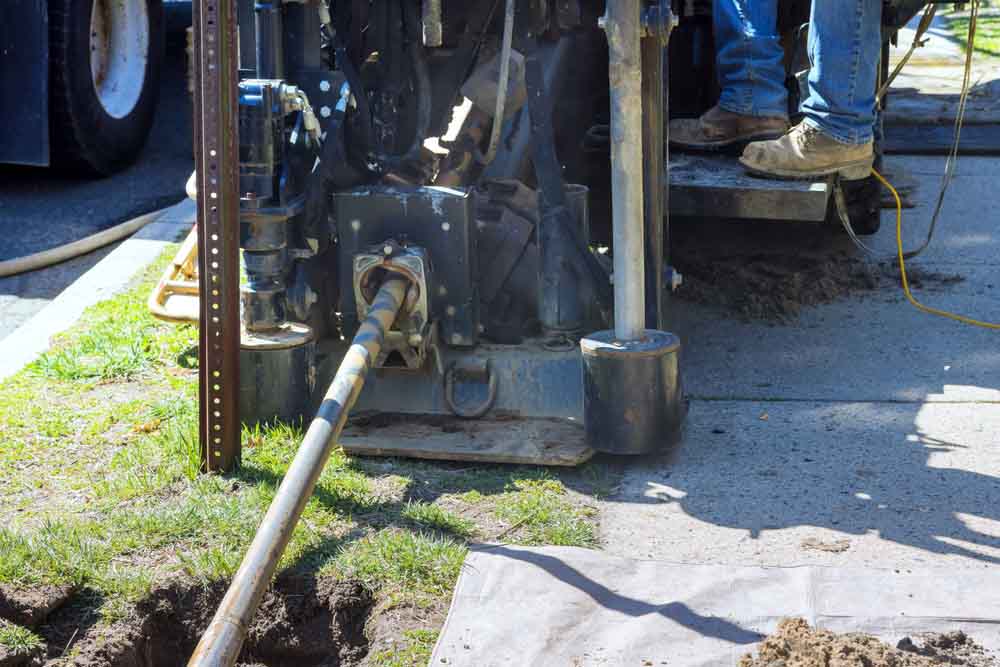
Replacing underground pipes has long been a challenge for property owners and communities. Traditional open-cut excavation tears up large sections of land, disrupts daily life, and leaves lasting scars on the environment. Trenchless pipe bursting offers a cleaner, more sustainable approach by renewing pipelines with minimal surface disturbance. For anyone researching trenchless pipe lining in…
Read MoreHow Soil Composition Influences Sewer Pipe Lifespan
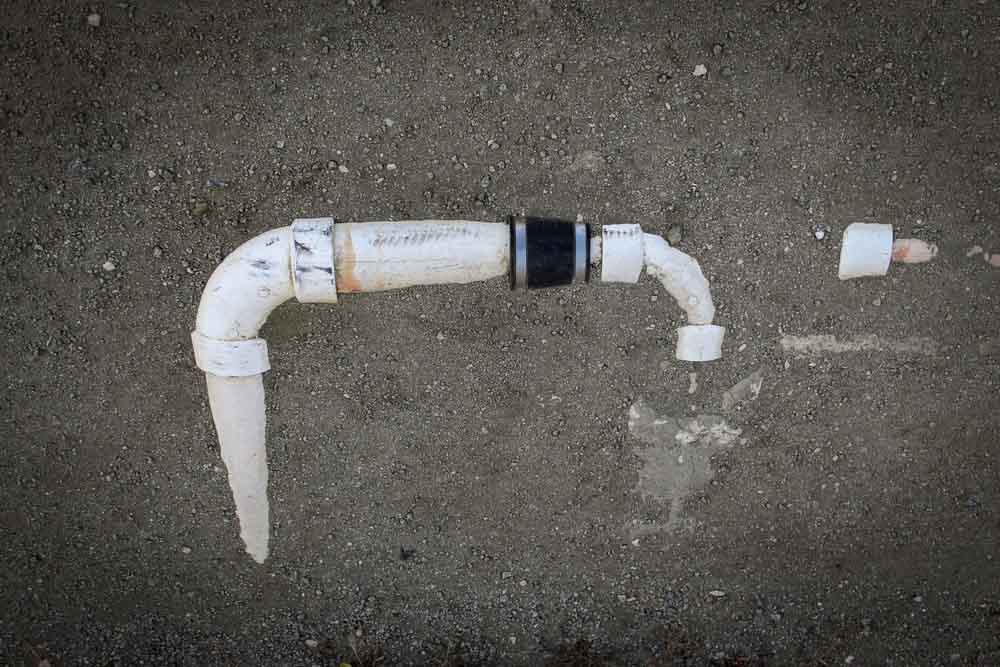
The ground beneath your property holds more influence over your sewer system than many realize. Soil chemistry and stability directly affect how long pipes last and how often repairs are needed. Acidic or alkaline conditions can accelerate corrosion, while shifting or expansive soils put constant stress on pipe joints. For those considering trenchless pipe lining…
Read MoreWhat Your Sewer Pipe Can Tell You About the Age of Your Building
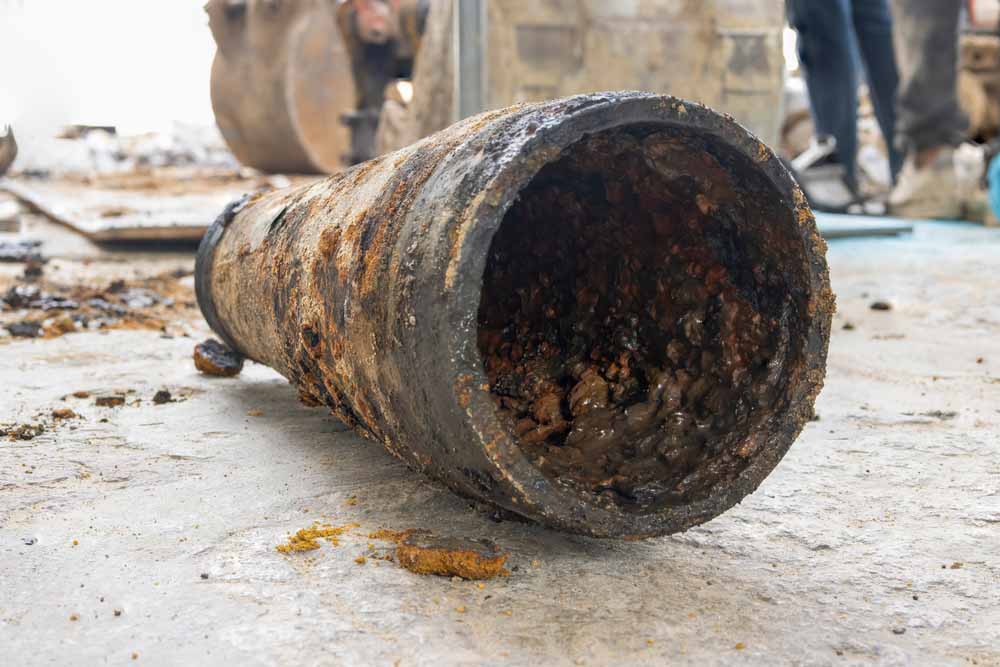
The pipes beneath your property often carry silent clues about its history. Materials like clay, cast iron, or Orangeburg are more than plumbing details; they’re indicators of when the building was constructed and how much life those pipes may still have left. For property owners looking at sewer repair in Columbus, OH, paying attention to…
Read MoreWhy Pipe Bursting Is Ideal for Replacing Failing Orangeburg or Clay Sewer Lines
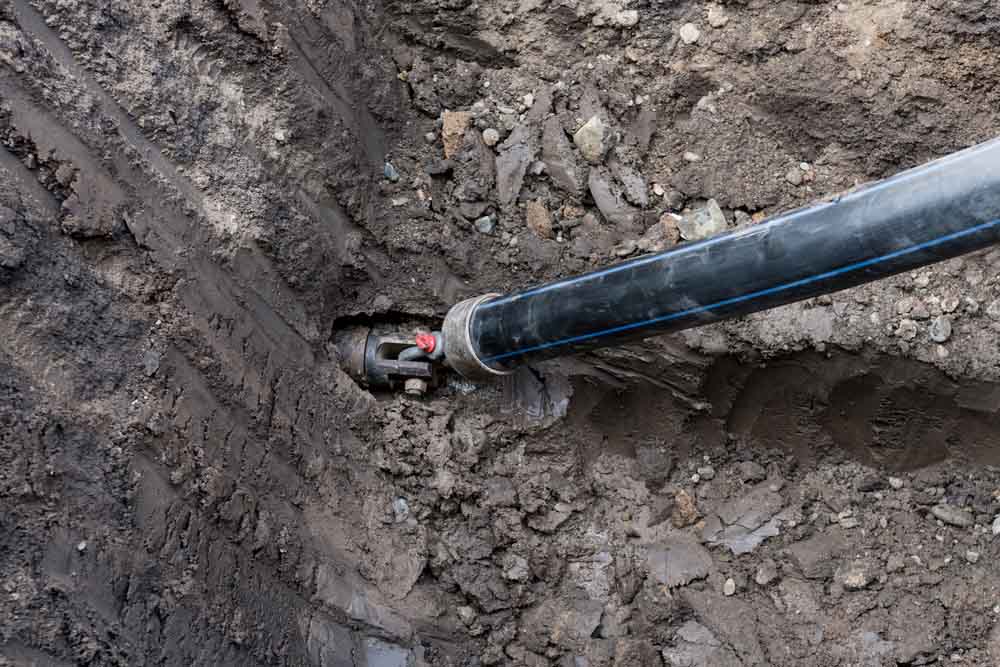
Many older homes still rely on Orangeburg or clay sewer lines, both of which are known for breaking down over time. These materials were once common, but they simply cannot match the durability of modern piping. As they deteriorate, homeowners often face backups, leaks, and recurring repair costs. The good news is that Sewer Pro…
Read MoreWhy Property Managers Are Choosing CIPP for Multi-Unit Properties
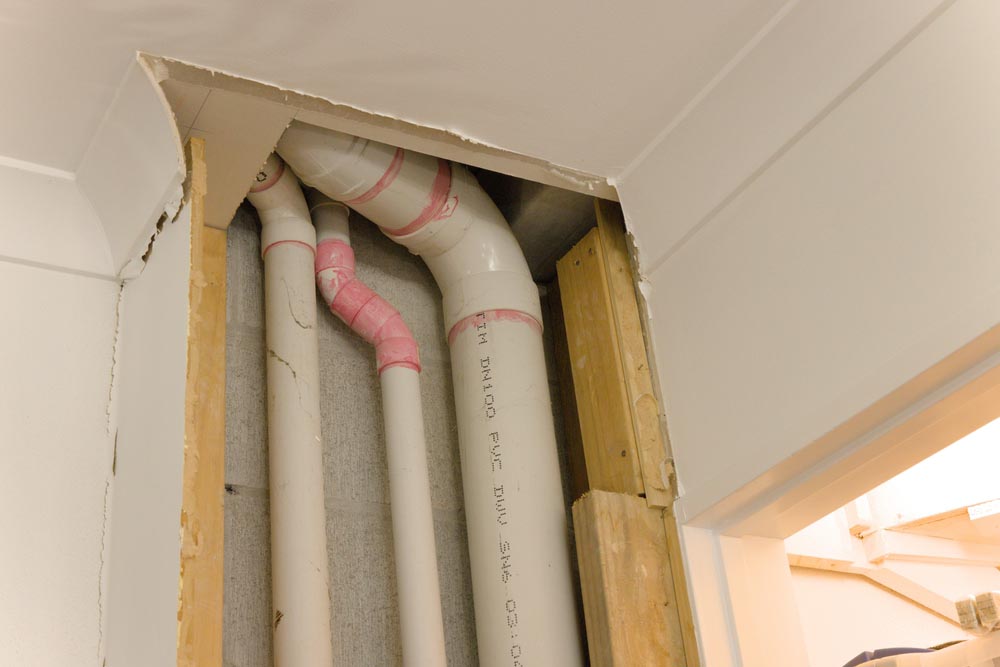
Managing multi-unit buildings means balancing tenant needs, maintenance demands, and long-term property value. Sewer systems are often overlooked until they cause expensive emergencies, but property managers are beginning to turn to a smarter solution. With trenchless pipe lining in Akron, OH, multi-unit properties benefit from a reliable repair option that saves both time and money…
Read MoreThe Real Lifespan of Sewer Lines—and When to Replace It
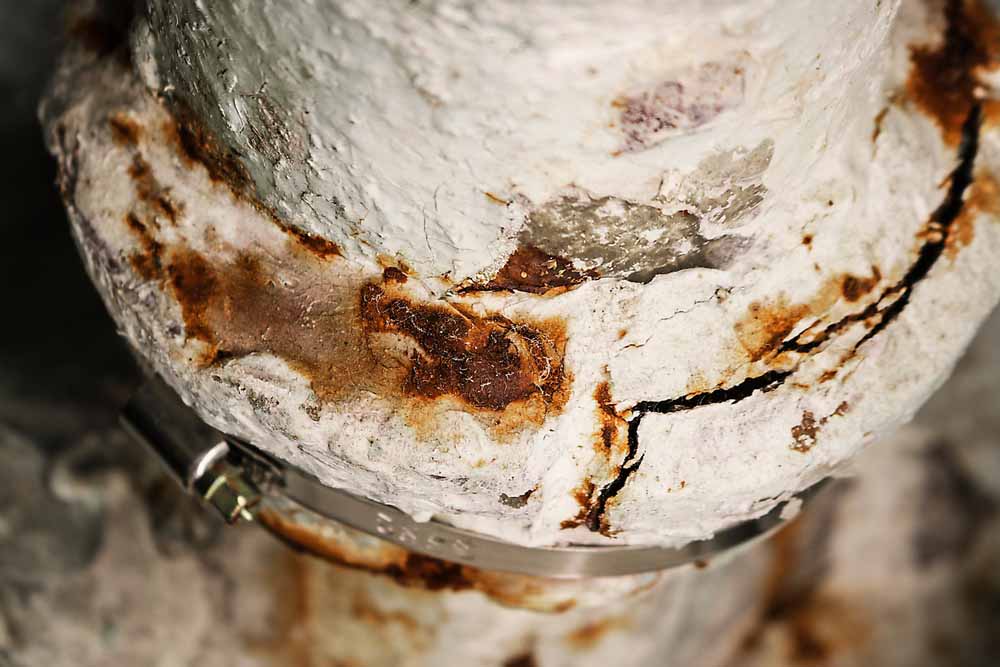
A sewer line is something most homeowners rarely think about until problems appear. Yet, every pipe has a lifespan that eventually runs out. Knowing how long your sewer line may last helps you plan ahead, avoid costly surprises, and know when to seek professional help. For those searching for reliable sewer repair in Columbus, OH,…
Read MoreIs Pipe Bursting Safe for Homes with Old Foundations?

Old foundations come with character, and challenges. When underground lines fail, the wrong repair method can disturb settled soil or even cause minor structural shifts. For homes built before the 1960s, especially those with stone or unreinforced concrete footings, any work beneath or near the foundation demands careful consideration. Many hesitate at the idea of…
Read MoreThe Real Lifespan of a Sewer Line and When to Replace It
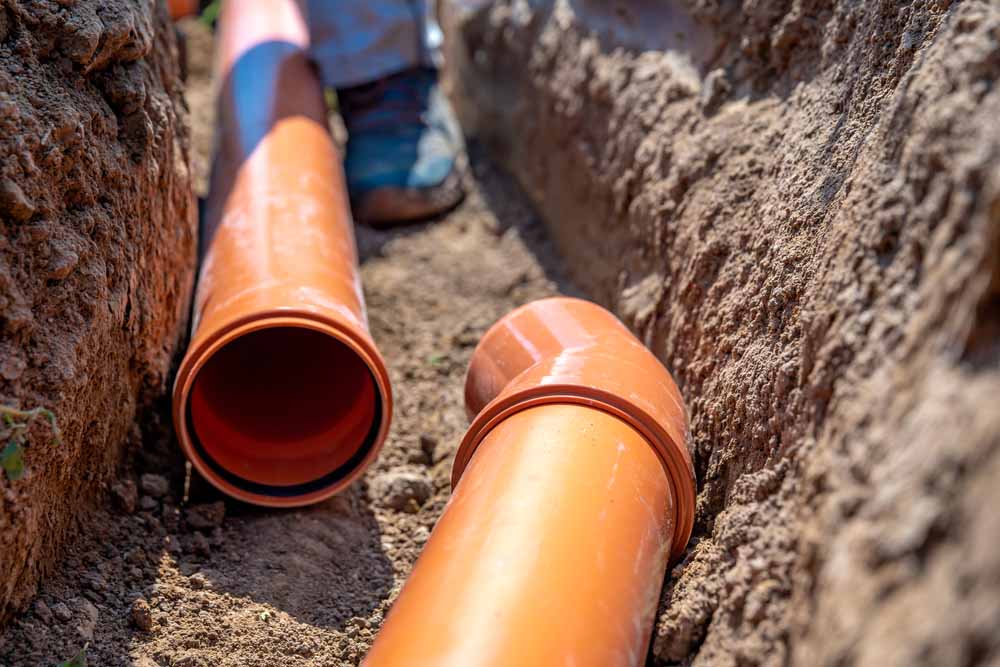
Most property owners don’t think about the condition of their system until it’s already causing problems, but sewer lines have a limited lifespan. Depending on the material, soil type, and overall usage, that lifespan might be shorter than expected. If you’re starting to notice recurring issues or suspect your system is aging out, it may…
Read MoreIs Your Property a Good Candidate for Trenchless Pipe Lining?
Persistent backups, foul odors near exterior drains, or damp ground with no clear source often point to a failing underground system. Digging up large sections of property to access and repair these issues can be costly and disruptive. That’s where trenchless solutions come in. Trenchless pipe lining offers a way to restore damaged pipes with…
Read More