
Posts by John Tamburino
No-Dig Advantage: How Camera Swivel Heads Map Structural Pipe Faults Instantly
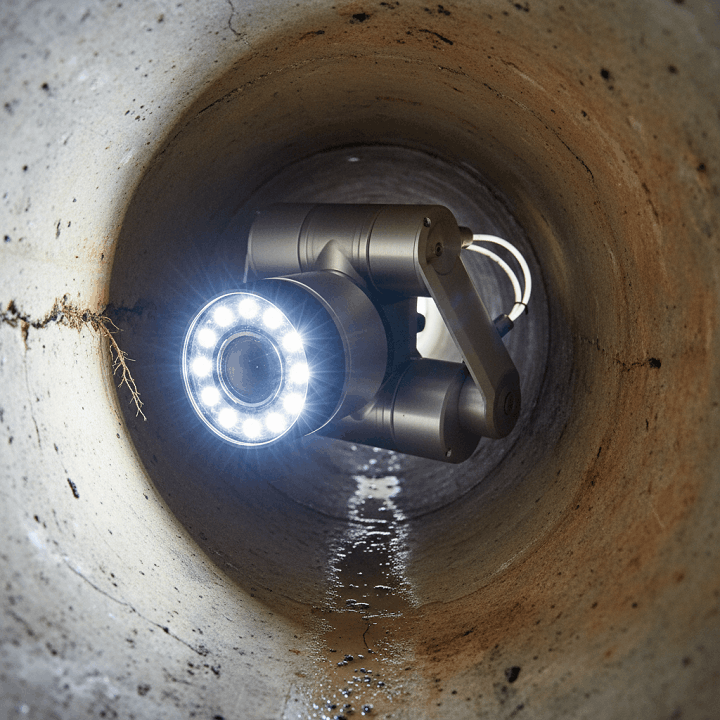
You don’t have to dig up your yard to find out what’s wrong with your sewer line. Modern camera technology allows us to inspect underground pipes from the inside, revealing cracks, separated joints, corrosion, root intrusion, and other structural issues with remarkable accuracy. Instead of relying on guesswork, we can identify the exact location and…
Read MoreInvisible Threat: How Structural Soil Voids Under Driveways Point to Sewer Failures
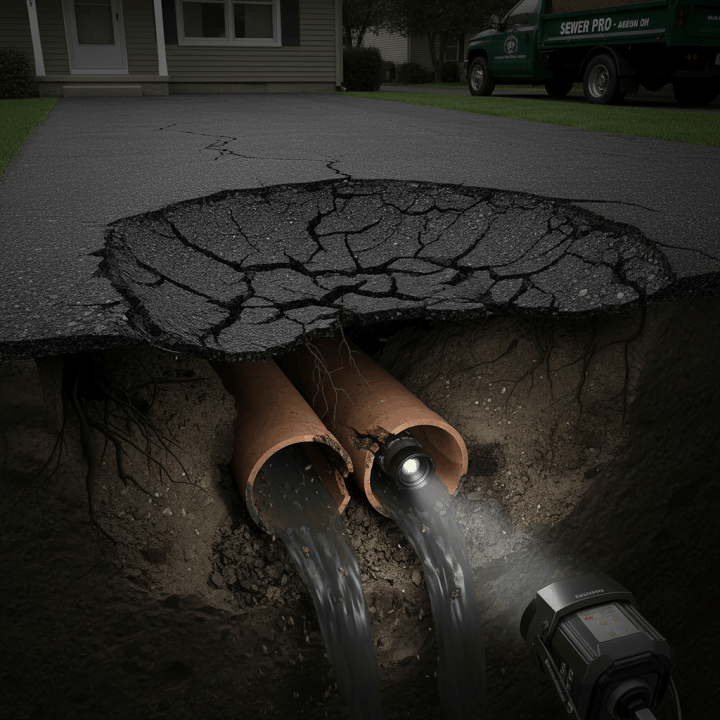
A driveway that begins to crack, settle, or develop unexplained low spots may be signaling more than surface wear. In some cases, the real problem lies beneath the ground, where a damaged sewer line allows water to wash away the surrounding soil. These hidden voids can grow over time before visible damage appears. At Sewer…
Read MoreThe 3-Step Forensic Blueprint to Catch a Collapsing Main Line
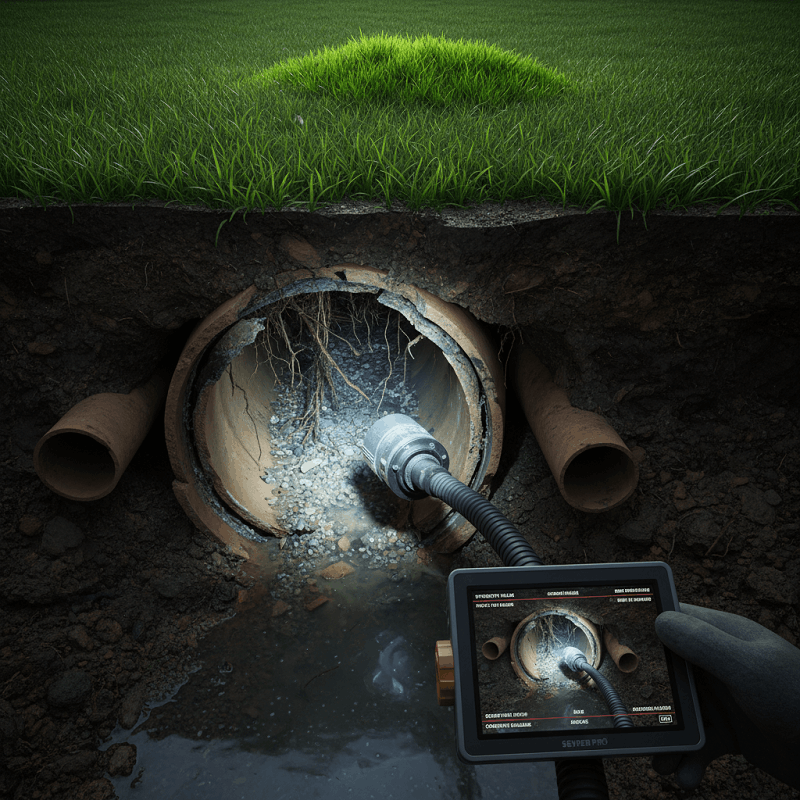
A sewer line rarely fails without warning. Small clues often appear long before a pipe collapses, but they are easy to dismiss until drainage problems become impossible to ignore. Slow drains, recurring backups, or patches of unusually green grass can all point to trouble beneath the surface. We use a systematic approach at Sewer Pro…
Read MoreSigns Your Pipe Is Too Far Gone for Lining (And Needs a Complete Blowout)
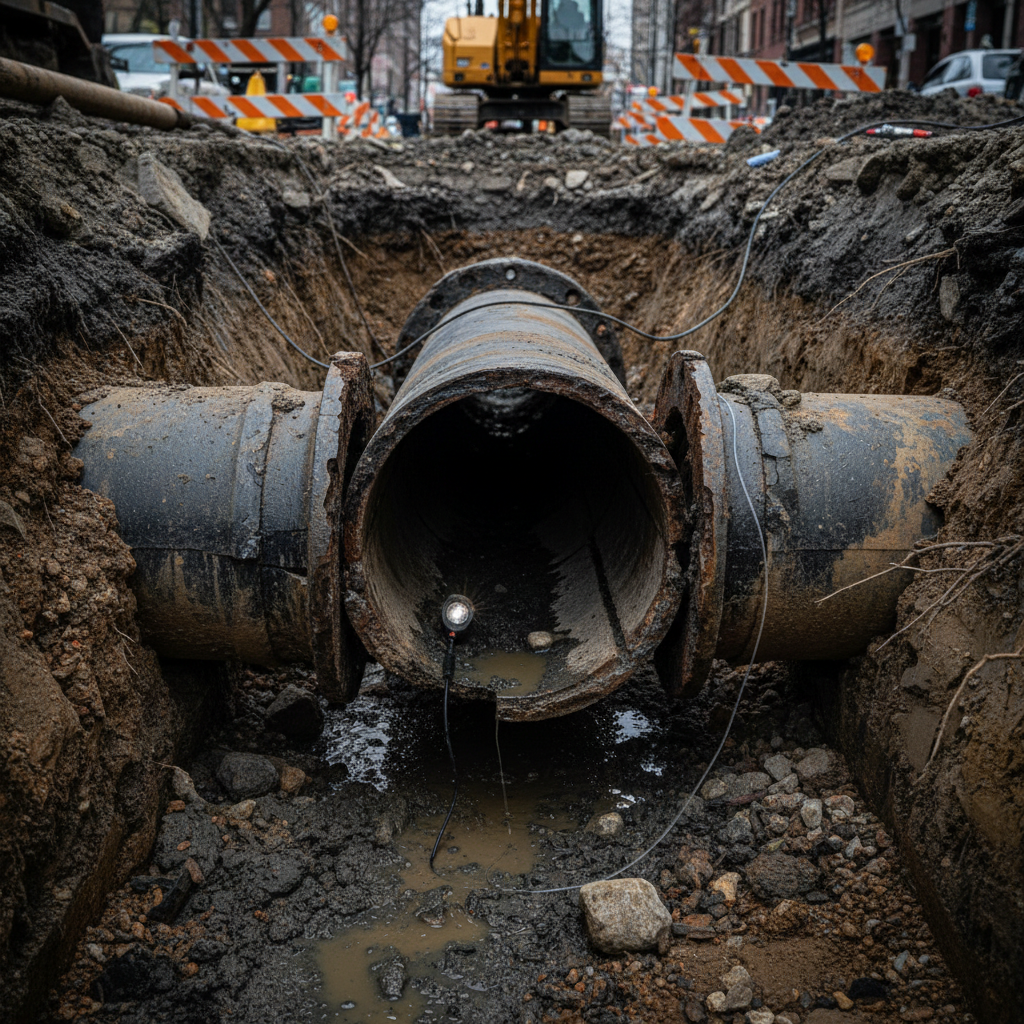
Most homeowners prefer repairing a sewer line over replacing it. Trenchless lining can often restore a damaged pipe without excavation, making it a popular option for many underground pipe problems. However, not every pipe is a good candidate for lining. Some sewer lines have deteriorated to the point where rehabilitation is no longer practical. When…
Read MoreThe Backyard Mystery: Why Is One Patch of Your Grass Vivid Green?
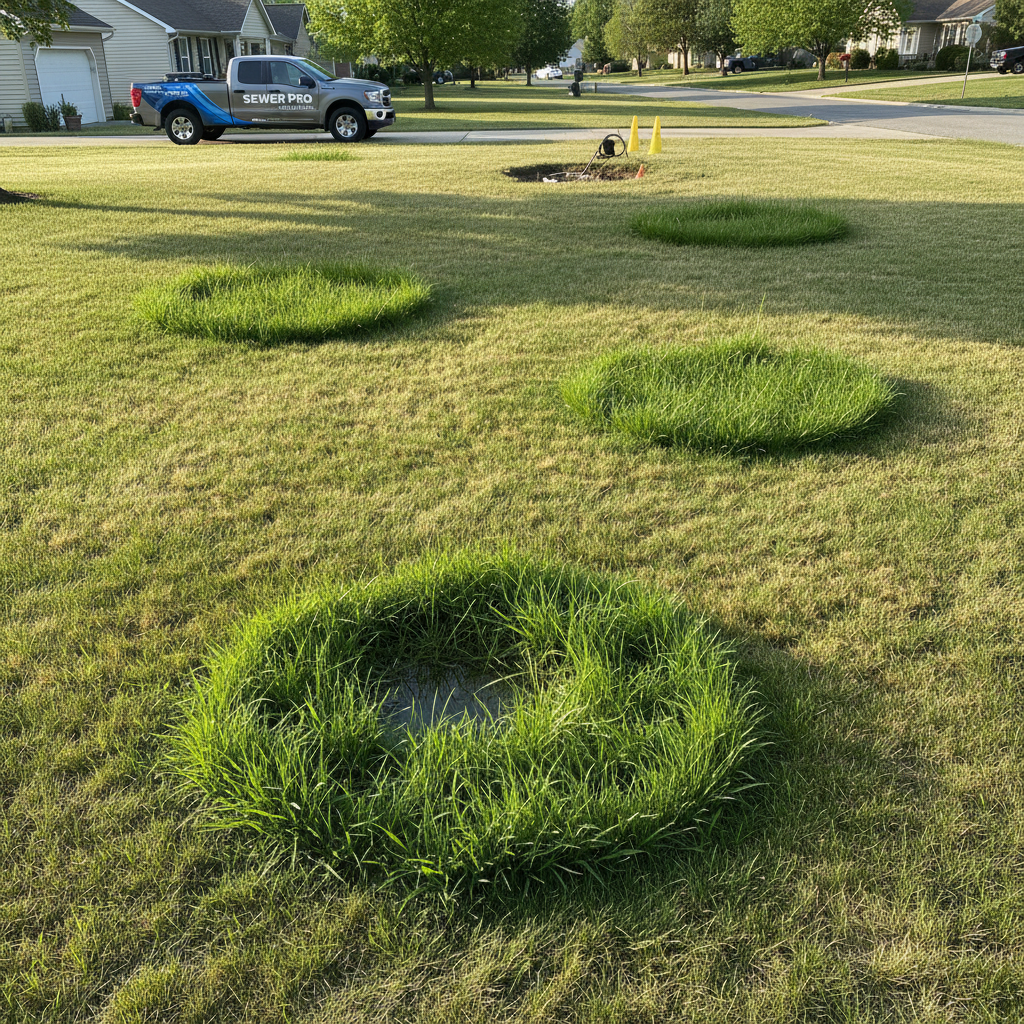
Most homeowners feel proud when their lawn looks greener than the rest of the neighborhood. But when one small section of grass suddenly becomes much greener, thicker, or faster-growing than the surrounding yard, it may be worth taking a closer look. That unusually healthy patch of grass can sometimes be a clue that something is…
Read MoreDoes Trenchless Lining Add Value During a Property Sale?

Selling a home often brings a long list of questions from buyers, inspectors, and lenders. One area that can quickly attract attention is the condition of the sewer line. Since sewer pipes are hidden underground, buyers often worry about unexpected repair expenses after closing. A documented trenchless lining project can help answer those concerns before…
Read MoreWhy Some Sewer Pipe Materials Are No Longer Used (and What Replaced Them)
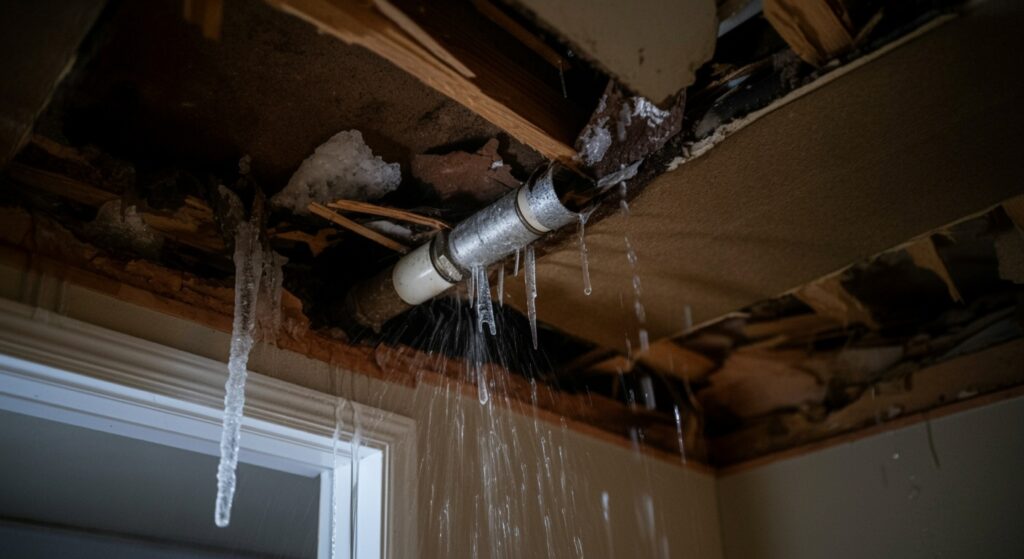
Material Degradation Analysis: Navigating Outdated Infrastructure and Sewer Repair in Columbus, OH Old sewer lines don’t always fail for the same reason. In many older buildings, the problem starts with the material itself. Homeowners often want clear answers when issues show up underground, especially when dealing with aging infrastructure tied to sewer repair in Columbus,…
Read MoreHow Trenchless Lining Helps with Code Compliance for Older Buildings
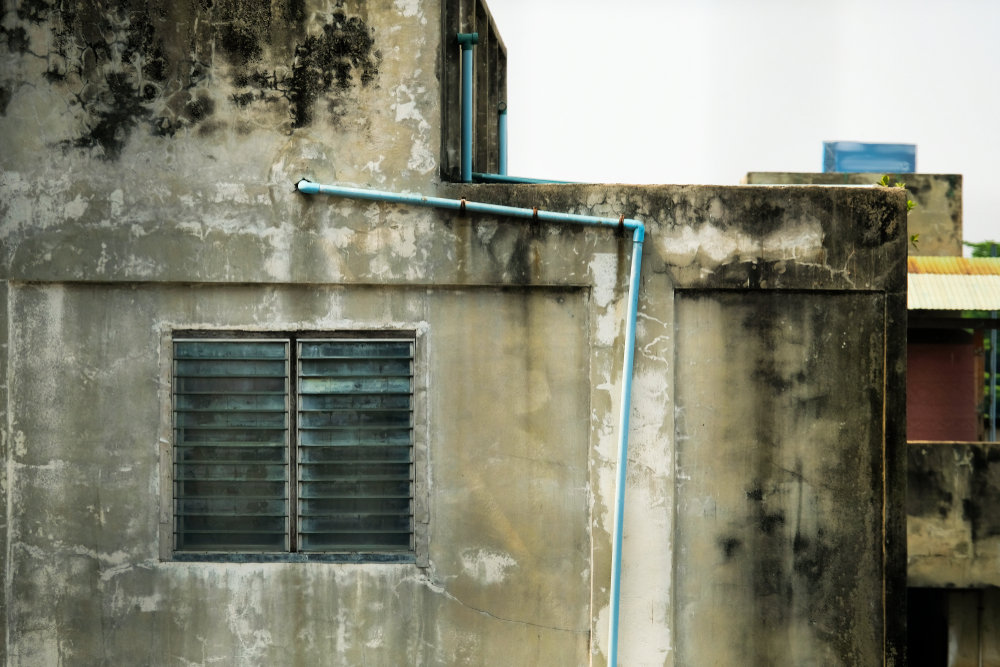
Many property owners in older buildings face the same concern when sewer issues appear: how to meet modern code expectations without turning the site into a long excavation zone. Sewer Pro works with these situations every day, especially when projects involve trenchless pipe lining in Cleveland, OH, where city requirements may focus on repair instead…
Read MoreWhat to Expect During a Pipe Bursting Project: Timeline and Property Impact
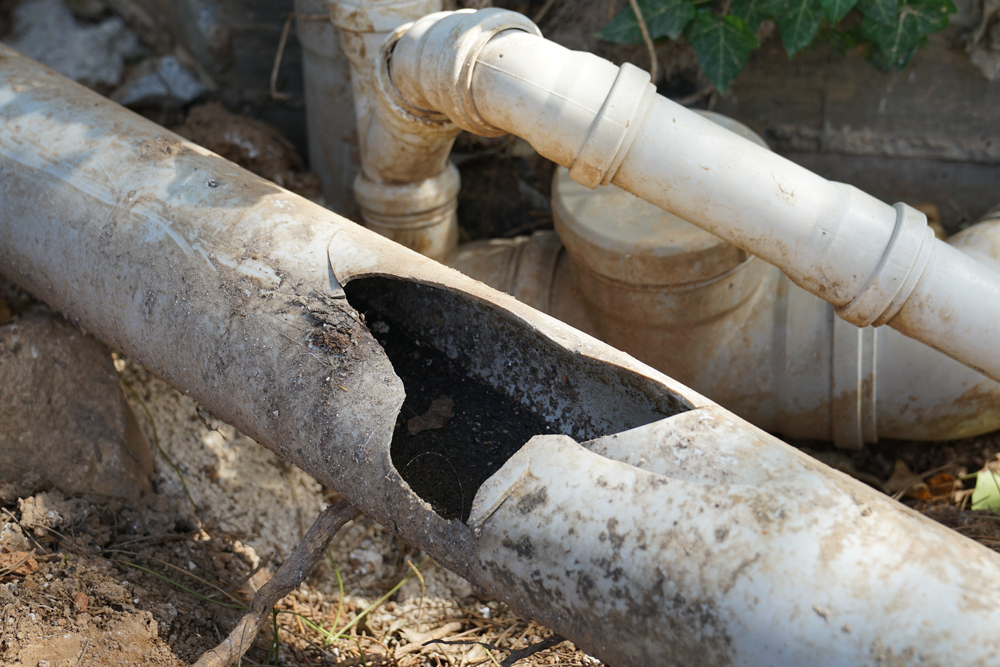
Homeowners often want a clear picture of what will happen before work begins, especially when digging near their property is involved. We walk them through each step so there are no surprises once things get started. Sewer Pro handles projects across different property types, and when we perform trenchless pipe bursting in Akron, OH, the…
Read MoreWhy Pipe Bursting Is Ideal for Replacing Failing Orangeburg and Clay Sewer Lines
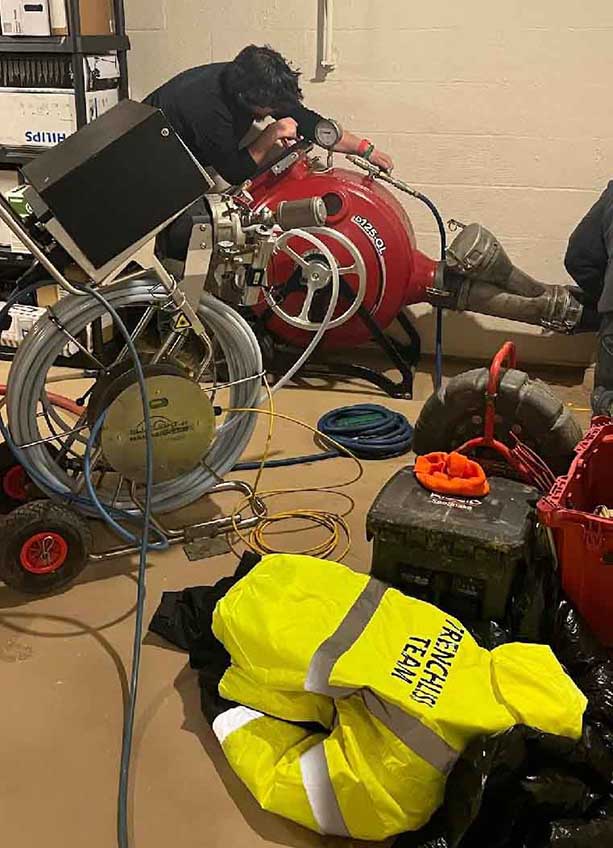
When older sewer lines start breaking down, the material inside the ground matters more than most property owners realize. Orangeburg and clay pipes fail in very different ways, but both tend to lose strength from the inside out. At Sewer Pro, we often see these systems during trenchless pipe bursting in Cleveland, OH, especially in…
Read More