
How Trenchless Lining Helps with Code Compliance for Older Buildings
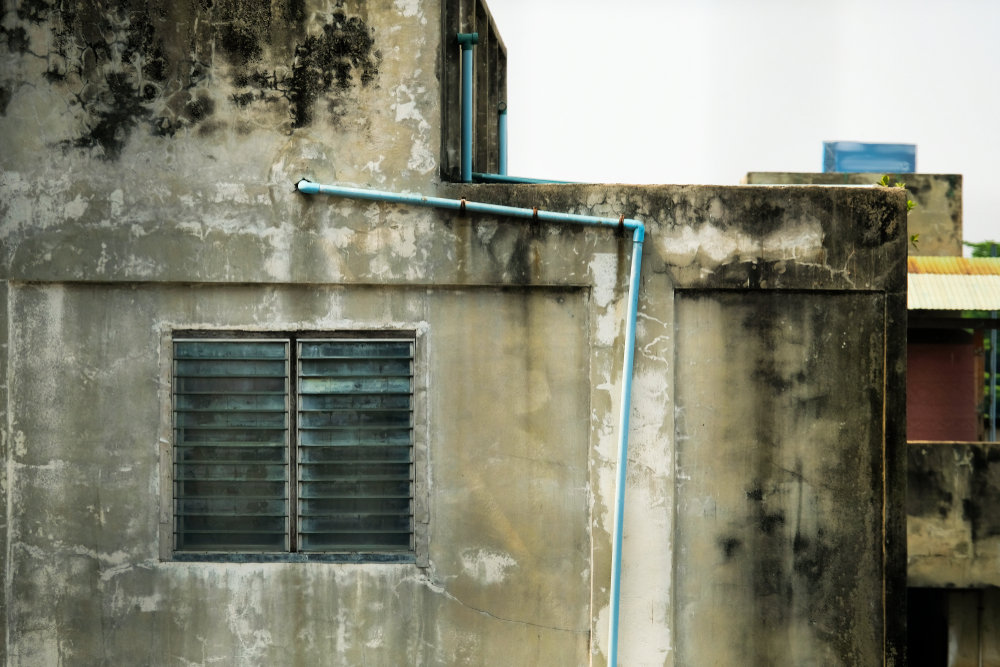
Many property owners in older buildings face the same concern when sewer issues appear: how to meet modern code expectations without turning the site into a long excavation zone. Sewer Pro works with these situations every day, especially when projects involve trenchless pipe lining in Cleveland, OH, where city requirements may focus on repair instead of full replacement. Across the U.S., the Environmental Protection Agency estimates there are more than 800,000 miles of public sewer lines, and many are already beyond 40 years of age. Industry reports from the American Society of Civil Engineers continue to rate wastewater systems poorly, pointing to widespread aging infrastructure.
Meeting Code With Minimal Surface Disruption
Code compliance often centers on restoring pipe function and preventing infiltration, not always replacing entire lines. In many cases, CIPP pipe lining is used to create a new structural layer inside the existing pipe. This cured-in-place method is recognized in many municipal standards because it can restore strength and reduce leaks without full excavation. The lining is inserted as a resin-soaked tube and hardened in place, forming a seamless interior surface that meets flow and durability requirements set by local codes.
Addressing Older Materials Beneath Buildings
Many older properties still rely on aging cast iron systems that corrode over time and develop rough interior scaling. Cast iron pipe lining allows us to restore these lines internally, reducing the need to remove flooring or structural elements tied to the plumbing route. The goal is to reinforce the existing pipe structure so it can continue supporting wastewater flow while aligning with current inspection standards used by city code officials.
Restoring Function in Aging Sewer Systems
When inspecting older sewer lines, root intrusion and joint separation are common findings. Sewer pipe lining helps address these issues by sealing cracks and reinforcing weak sections from within. The EPA notes that infiltration and inflow from damaged sewer lines can significantly increase treatment loads on municipal systems, which is why many cities now accept internal lining methods as a compliant repair option when properly documented and tested.
Frequently Asked Questions
Does pipe lining meet building code requirements?
In many municipalities, lining methods are accepted when they restore structural integrity and pass post-installation inspection testing.
How long does a lining system last?
Lined pipes are commonly designed for multi-decade service life, depending on soil conditions and usage levels.
Can lining fix severely collapsed pipes?
Lining works best on pipes that still have structural form. Fully collapsed sections typically require additional repair methods.
Will inspections still be possible after lining?
Yes. Most modern materials used by pipe lining companies are designed to remain visible on camera inspection systems used by municipalities.
Practical Compliance Through Modern Repair
Older buildings often require solutions that align with both structural needs and municipal standards. Sewer Pro applies trenchless technology specialization, real-time visual transparency, cost-effective innovation, tri-level sector mastery, and an expansive Ohio footprint to each project, along with a 50-year service guarantee. When sewer systems need to meet code without extensive disruption, a structured lining approach provides a reliable path forward.
Get in touch with us today for more information!

schedule service
Please do not contact for sales or solicitation. Thank you!

our services
Schedule An Appointment
Sewer Pro is a company backed by an experienced team that routinely meets and exceeds the expectations of residential, commercial, and municipal clients. You'll find that our rates are reasonable and our staff is friendly and knowledgeable. Call us today or fill out our form to schedule an appointment.
