
Sewer Repair
Why Not All Cast Iron Pipes Are Good Candidates for Lining
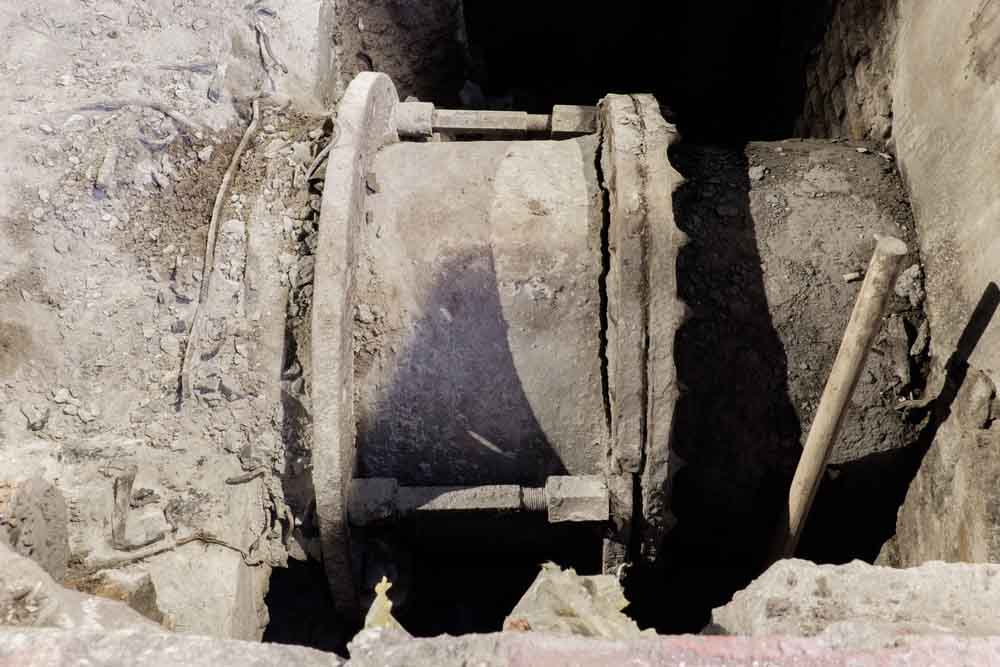
When property owners hear about trenchless repairs, many assume any pipe can be lined without issue. At Sewer Pro, we’ve seen this misconception lead to surprises on the job. Cast iron pipes don’t always respond well to lining, especially when corrosion or heavy scaling has compromised the structure. Knowing when a pipe has reached that…
Read MoreAre Sewer Pipes Still at Risk From Nearby Trees That Were Removed Years Ago?
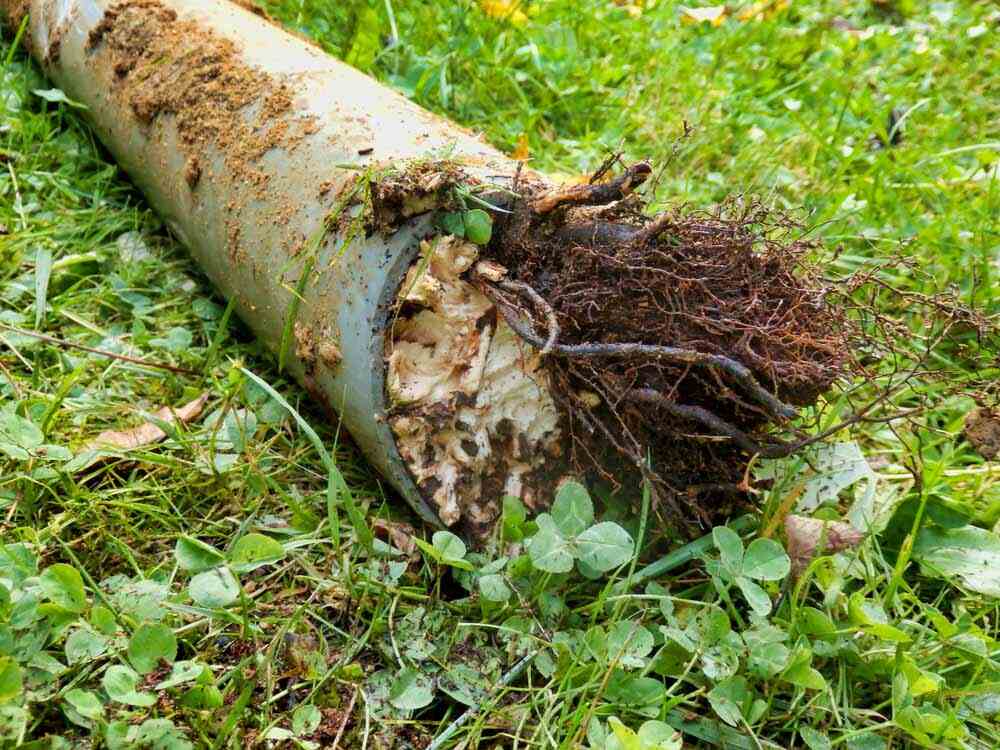
When a tree comes down, many property owners feel relief. No more falling leaves. No more roots creeping across the yard. But what often goes unnoticed is that trees leave a lasting mark on your plumbing. Their roots may have already penetrated your underground sewer pipes long before the tree was removed, causing hidden damage…
Read MoreWhy Your Sewer Line Isn’t a One-Size-Fits-All System
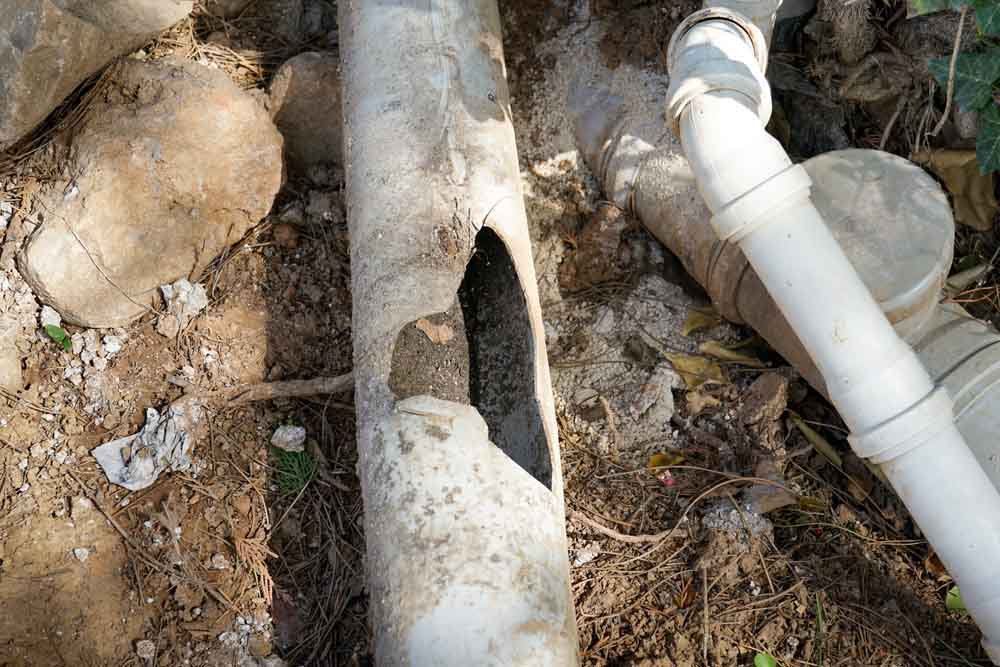
Every property tells a story through its plumbing. The number of occupants, the type of fixtures, and the daily volume of wastewater all shape how a sewer line should function. Treating sewer systems as standardized parts creates stress points that show up as backups, slow drains, and costly repairs. From the perspective of Sewer Pro,…
Read MoreWhat Your Sewer Pipe Can Tell You About the Age of Your Building
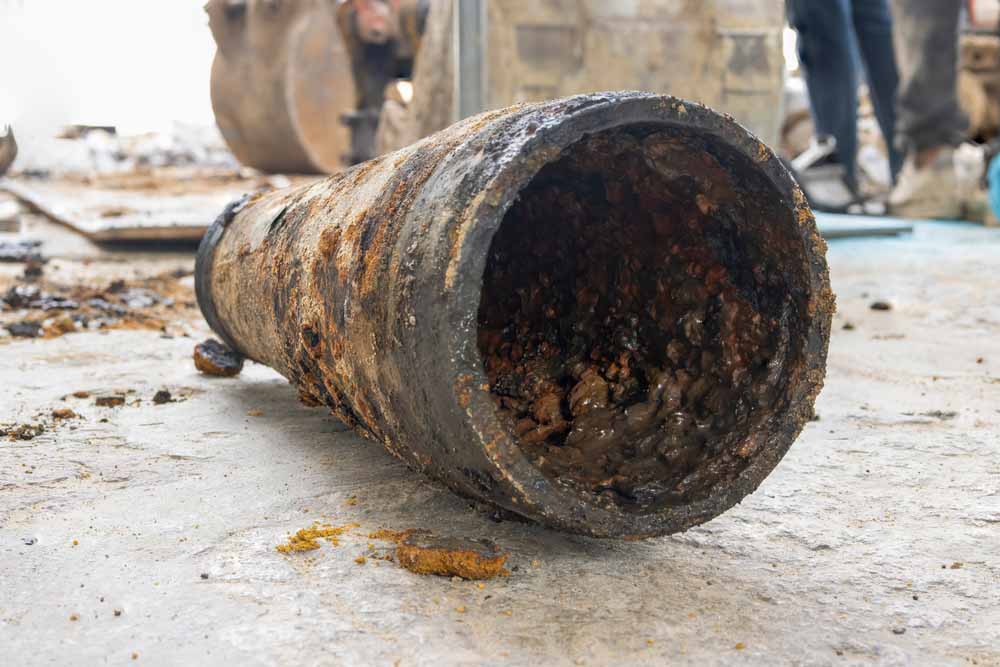
The pipes beneath your property often carry silent clues about its history. Materials like clay, cast iron, or Orangeburg are more than plumbing details; they’re indicators of when the building was constructed and how much life those pipes may still have left. For property owners looking at sewer repair in Columbus, OH, paying attention to…
Read MoreThe Real Lifespan of Sewer Lines—and When to Replace It
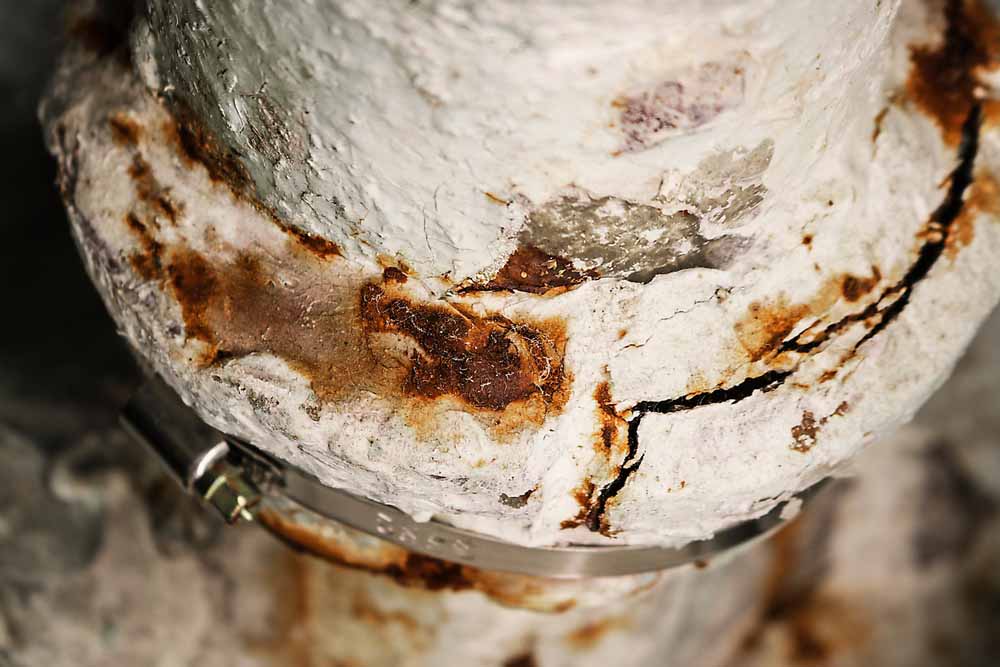
A sewer line is something most homeowners rarely think about until problems appear. Yet, every pipe has a lifespan that eventually runs out. Knowing how long your sewer line may last helps you plan ahead, avoid costly surprises, and know when to seek professional help. For those searching for reliable sewer repair in Columbus, OH,…
Read MoreThe Real Lifespan of a Sewer Line and When to Replace It
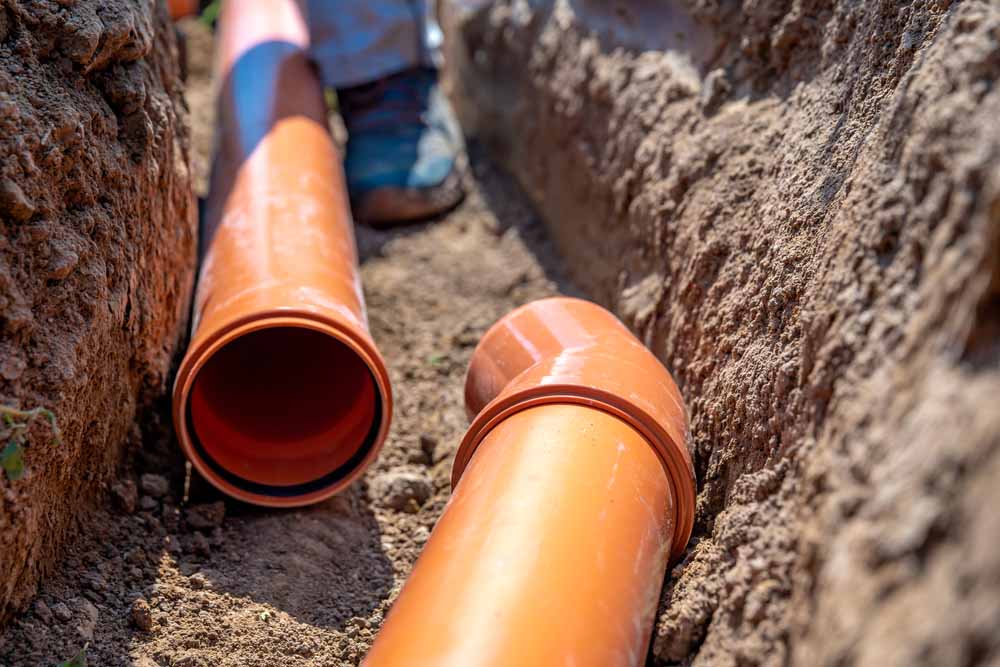
Most property owners don’t think about the condition of their system until it’s already causing problems, but sewer lines have a limited lifespan. Depending on the material, soil type, and overall usage, that lifespan might be shorter than expected. If you’re starting to notice recurring issues or suspect your system is aging out, it may…
Read MoreThen vs. Now: How the Sewer Pipe Industry Has Moved On
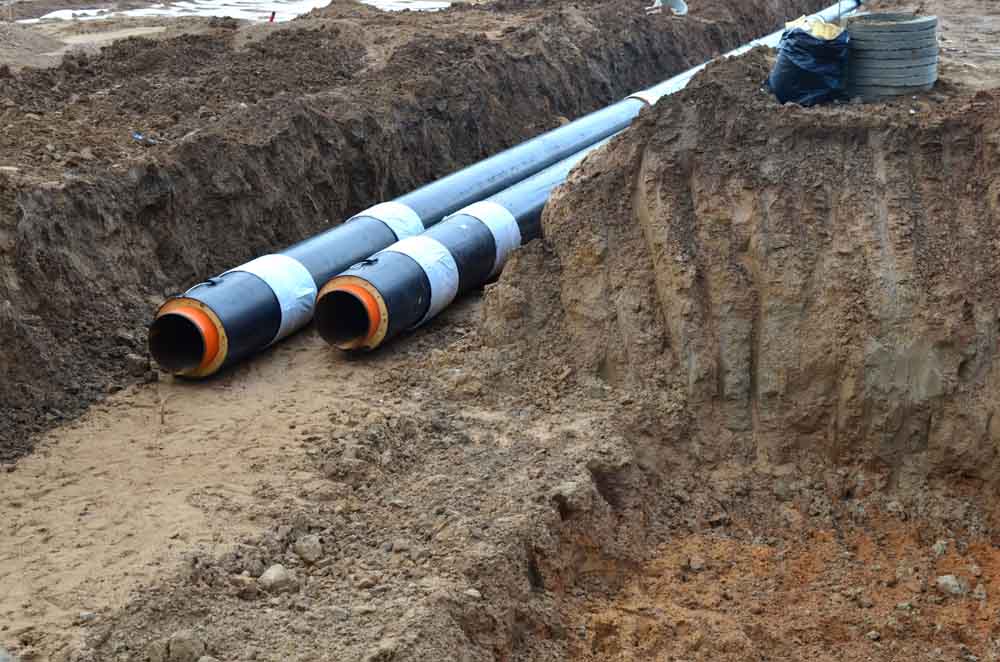
Some pipe materials were never meant to last. That’s become clear in our work over the years at Sewer Pro. As methods evolve and standards improve, we often find ourselves correcting the decisions of the past, especially when it comes to old and outdated sewer pipe materials. Whether it’s structural failure, vulnerability to tree root…
Read MoreHow Temperature Extremes Affect Sewer Pipe Integrity

Extreme temperatures don’t just test the limits of comfort; they quietly test the durability of underground infrastructure. Sewer systems are especially vulnerable to subtle but persistent forces brought on by freezing winters, prolonged droughts, and seasonal heat swings. These changes may not seem dramatic at first, but over time, they create the type of stress…
Read MoreStormwater vs. Sanitary Sewers: Why Mixing the Two Leads to Trouble
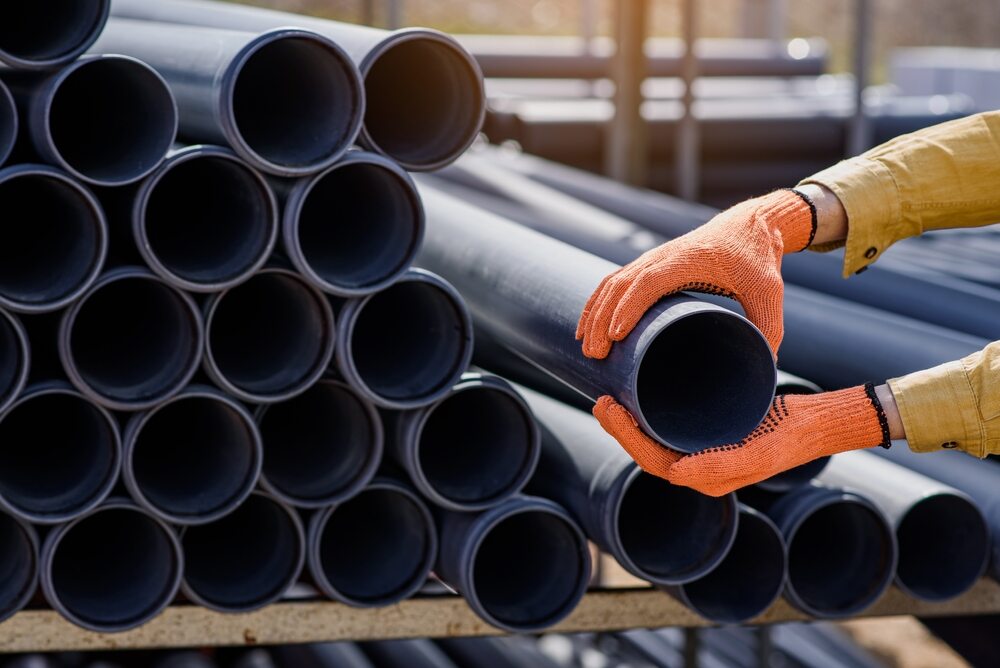
Storm drains and sanitary sewers serve very different purposes, and when they cross paths, the results can be more damaging than most property owners expect. While one is designed to carry rainwater runoff, the other handles wastewater from sinks, showers, toilets, and appliances. When the two systems combine—either due to aging infrastructure or improper connections—serious…
Read MoreWhy “Out of Sight, Out of Mind” Doesn’t Work with Sewer Lines
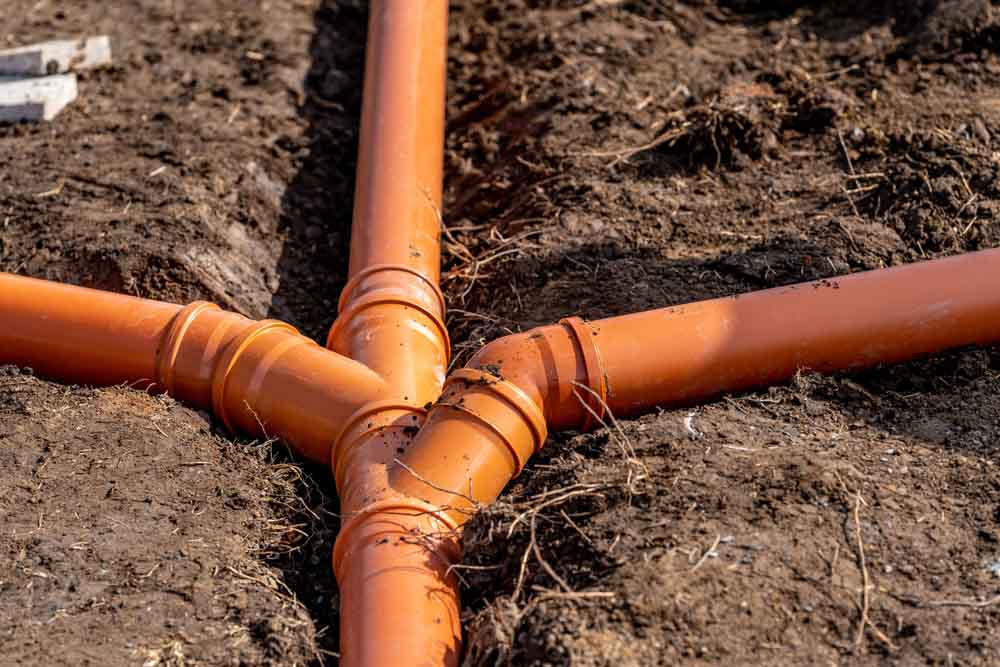
Just because you can’t see your sewer lines doesn’t mean they don’t need attention. These systems operate quietly underground, but that can make it easy to overlook early warning signs. Skipping routine checks because “everything seems fine” may allow minor issues to develop unnoticed. By the time signs like odors, soggy patches, or slow drains…
Read More